WhatsApp
Passikudah
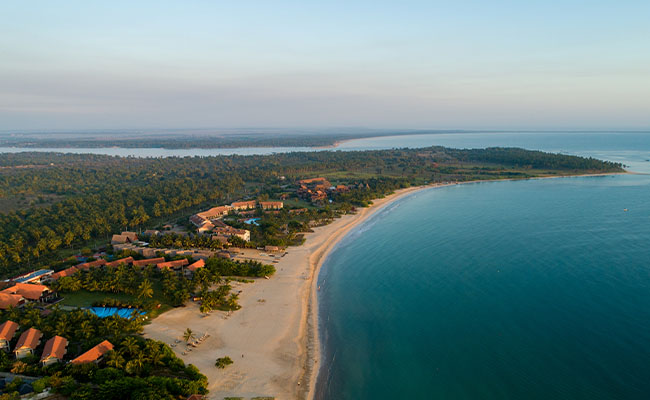
Passikudah Bay features one of the shallowest and longest stretches of walkable sea in Sri Lanka due to its natural reef barrier. The shallow gradient creates ideal conditions for safe swimming and introductory water activities. Its east coast positioning results in clear waters during the season with minimal sediment movement. The region has seen structured tourism development following post war restoration.
Trincomalee
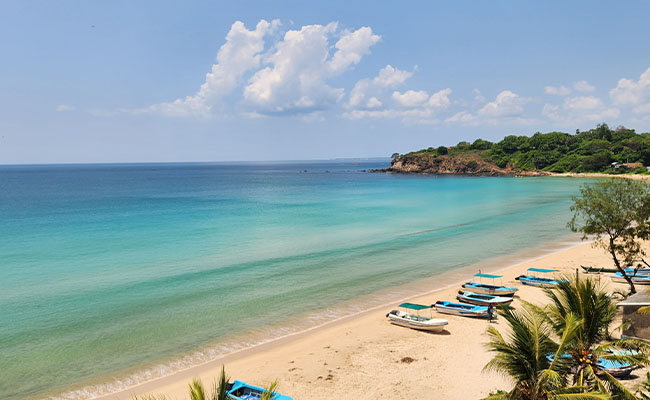
Trincomalee is known for its deep natural harbour, considered one of the finest in the world due to its depth and protected shape. The beaches such as Nilaveli and Uppuveli offer calm waters, especially during the east coast season. Offshore coral islands like Pigeon Island provide valuable marine biodiversity and accessible snorkeling sites. The area also carries historical importance due to centuries of strategic maritime activity.
Weligama
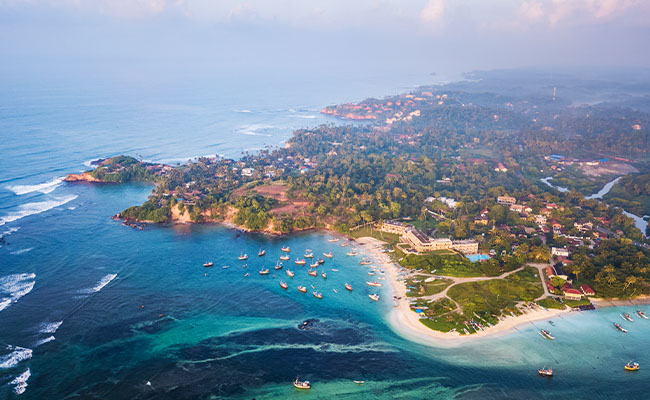
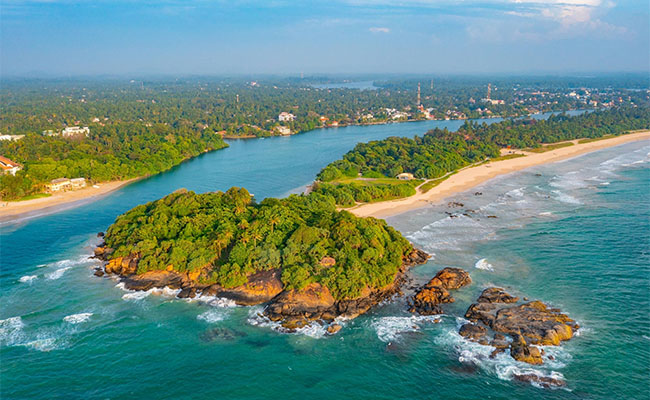
Weligama Bay provides gentle waves ideal for beginner level surfing, attracting consistent training activity throughout the year. The coastal shelf here is wide, giving the bay a natural curve and steady patterns suitable for water recreation. Taprobane Island, located just offshore, adds architectural and geographic interest. The town maintains an active fishing industry, contributing to its coastal economy.

Negombo
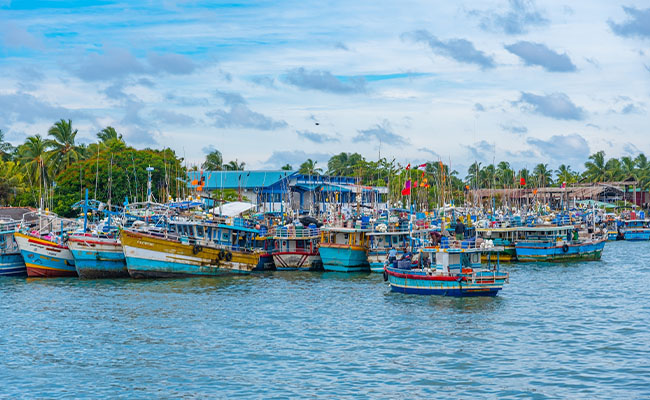
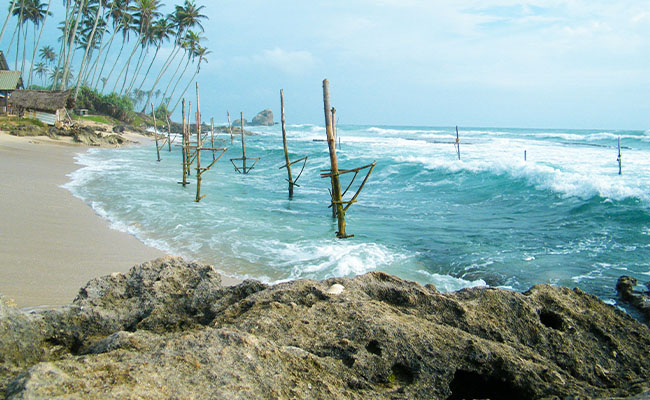
Negombo is located close to the island’s main international airport and is known for its long coastline and active fishing industry. The lagoon supports a traditional catamaran culture and saltwater ecosystems that attract birdlife year round. Dutch era canals and colonial architecture form an important part of the town’s heritage. Its waters offer steady conditions suitable for recreational boating and introductory water activities.
Bentota
Bentota is one of Sri Lanka’s most established coastal areas for water based tourism, offering a wide river mouth that supports both lagoon and ocean activities. The Bentota River creates a distinct ecosystem ideal for mangrove exploration and wildlife observation. The region is also recognised for its long stretches of clean, gently sloping beaches. It remains a major centre for water sports due to reliable conditions during the season.
Hikkaduwa
Hikkaduwa is known for its shallow coral reefs that create accessible snorkeling conditions close to the shore. The area is home to diverse marine life, including reef fish species commonly observed in the protected marine sanctuary. Surfing culture has been active here since the late twentieth century and continues due to consistent wave patterns. The town also features a long beach strip connected to a lively coastal community.
Unawatuna
Unawatuna is a natural bay protected by a reef formation that results in calmer waters during most seasons. It is located close to several important biodiversity pockets, including Rumassala, a hill linked to unique plant species. The area developed around both tourism and fishing, giving it a mixed coastal character. Its proximity to historical locations in Galle adds additional interest for travellers.
Galle
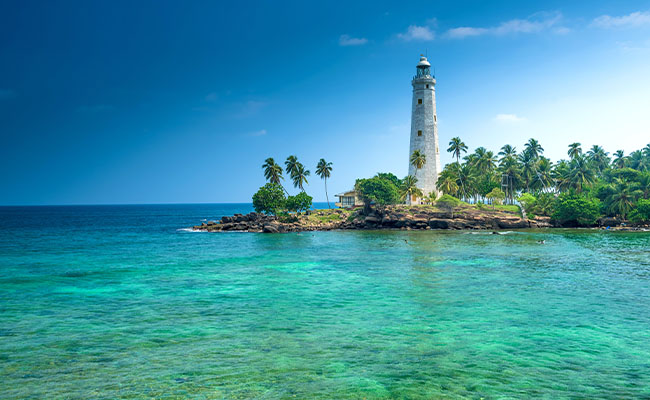
Galle’s coastline is shaped by its position next to the Galle Fort, a UNESCO World Heritage Site built initially by the Portuguese and later expanded by the Dutch. The beaches around the city offer views of natural bays, rocky stretches, and calm waters depending on location. The marine area near Galle Lighthouse is known for its safe swimming conditions. Its coastal zone serves as an intersection between maritime history and modern coastal activity.
Mirissa
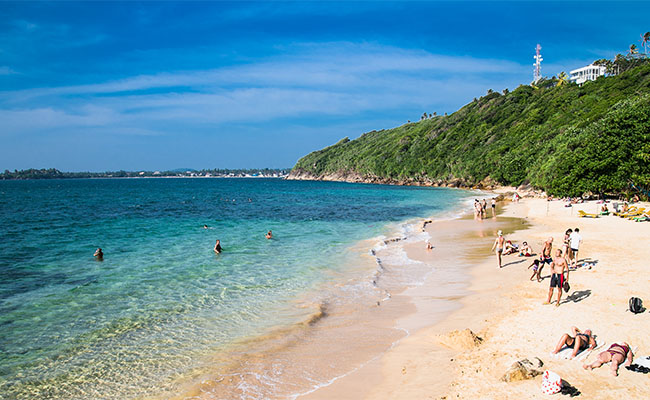
Mirissa is recognised internationally as a seasonal hub for whale watching due to deep sea canyons located offshore. The bay’s natural curve creates a beach with steady swimming conditions and comparatively mild currents. Local fisheries operate alongside tourism, adding economic significance to the region. The area’s positioning on the southern coast ensures favourable marine conditions during most months of the year.
Arugam Bay
Arugam Bay is one of the top surf points in South Asia, known for its right hand point break with long, consistent rides. The coastline is influenced by dry zone climate patterns, creating a landscape of dunes and sparse vegetation. The area is located near several wildlife zones, including Kumana National Park. Tourism here follows seasonal wind and wave cycles between mid year months.